
Interior Painting in Fort Myers & Lehigh Acres, FL
A paint job looks as good as the surface under it. We prep, prime and paint walls, ceilings and trim so the color goes on even and the lines stay clean.
- Walls, ceilings & trim
- Smooth and textured walls
- Careful prep and priming
- English y español
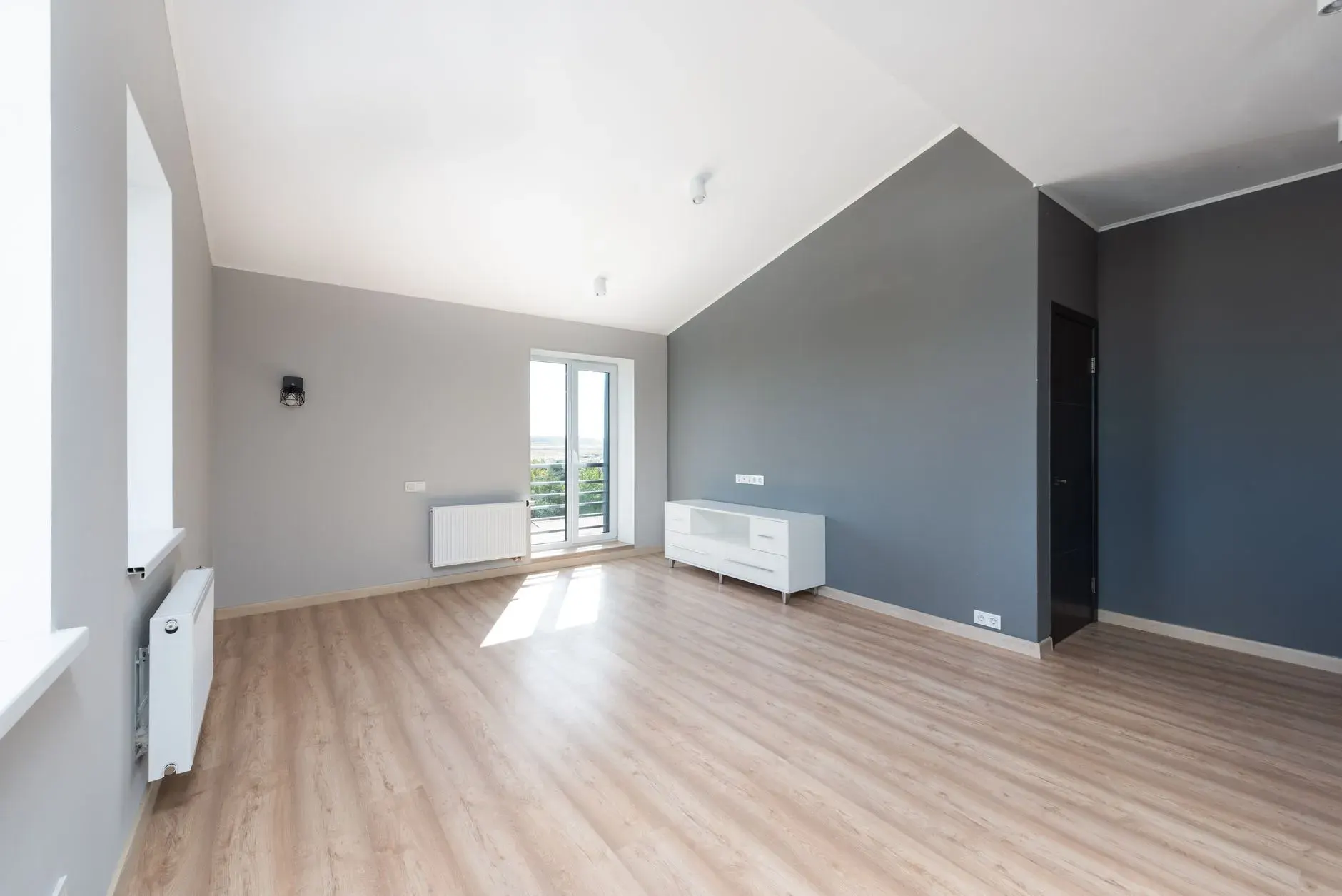
Why paint jobs live or die before the first coat
Anyone can roll paint onto a wall. What separates a lasting finish from one that looks tired in a year is prep: filling and sanding dents, caulking gaps, priming new or patched areas, and masking so the edges come out sharp. Most disappointing paint jobs were skipped past those steps.
Painting is the last coat on the work we already do. Because we are drywall specialists, we see the surface the way the painter has to: where compound will flash, where texture will hold paint differently, and where a repair will telegraph through sheen.
In Southwest Florida, humidity matters as much as color. Paint dries slowly in damp air, bathrooms and kitchens need mildew-resistant products, and sun-facing rooms show every roller mark. The plan accounts for those realities.
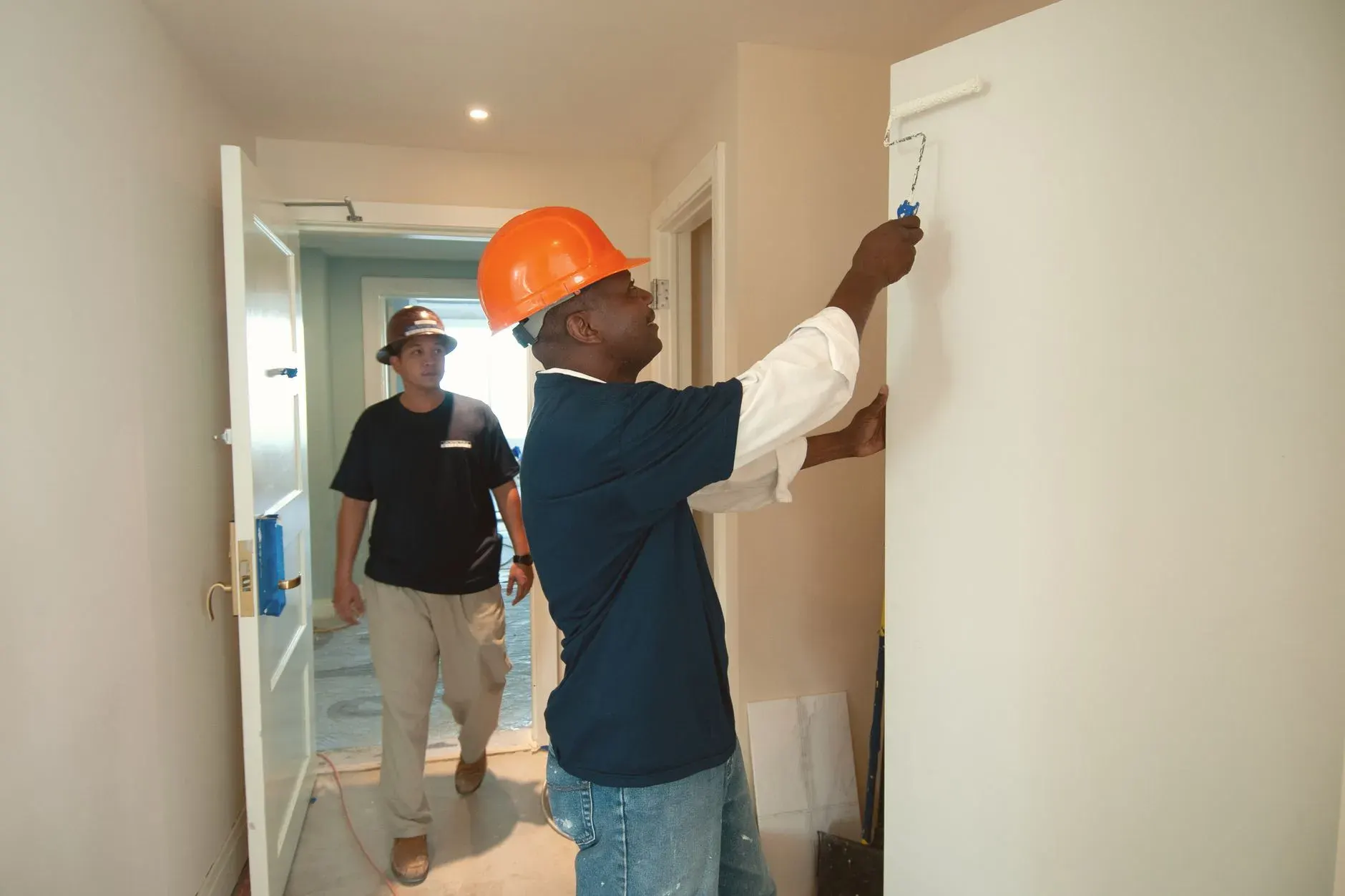
When it is time to repaint
Painting should follow repair, not hide it. These are common triggers:
Scuffs, stains and fingerprints
Washable paint can handle some marks, but when walls are marked across every room, a repaint resets the whole house.
Peeling or flaking paint
This usually means poor adhesion or moisture. The loose paint has to come off and the cause addressed before repainting.
You just had drywall work done
New board, patches and texture all need primer and paint to finish properly. Painting only the patch will show.
Color fatigue or a sale coming up
Neutral, fresh paint is one of the most cost-effective updates before listing a home.
Mildew or ceiling discoloration
Bathrooms and kitchens collect grime and mildew. Treat first, then use mildew-resistant paint.
A remodel is wrapping up
Kitchens and baths usually finish with paint touch-ups after tile and cabinets are set.
How we paint a room
- Review the surfaceWe check for dents, cracks, nail pops, texture mismatch and stains, and decide what needs repair before paint.
- Protect the roomFloors, furniture and fixtures are covered, and hardware and plates are removed or masked.
- Repair, caulk and sandSmall flaws are filled, gaps caulked, and glossy surfaces scuffed so new paint grips.
- Prime where neededNew board, patches and stained areas get primer; bare or repaired drywall always does.
- Cut in and rollEdges are cut in by hand for crisp lines at ceilings and trim, then walls are rolled in even passes.
- Second coat and walk-throughA second coat after proper drying time evens the color, and we do a walk-through with you before cleaning up.
What drives the cost of interior painting
We price from what we see in the rooms, using these factors:
Square footage and number of rooms
More walls and ceilings mean more prep and more paint.
Ceiling height
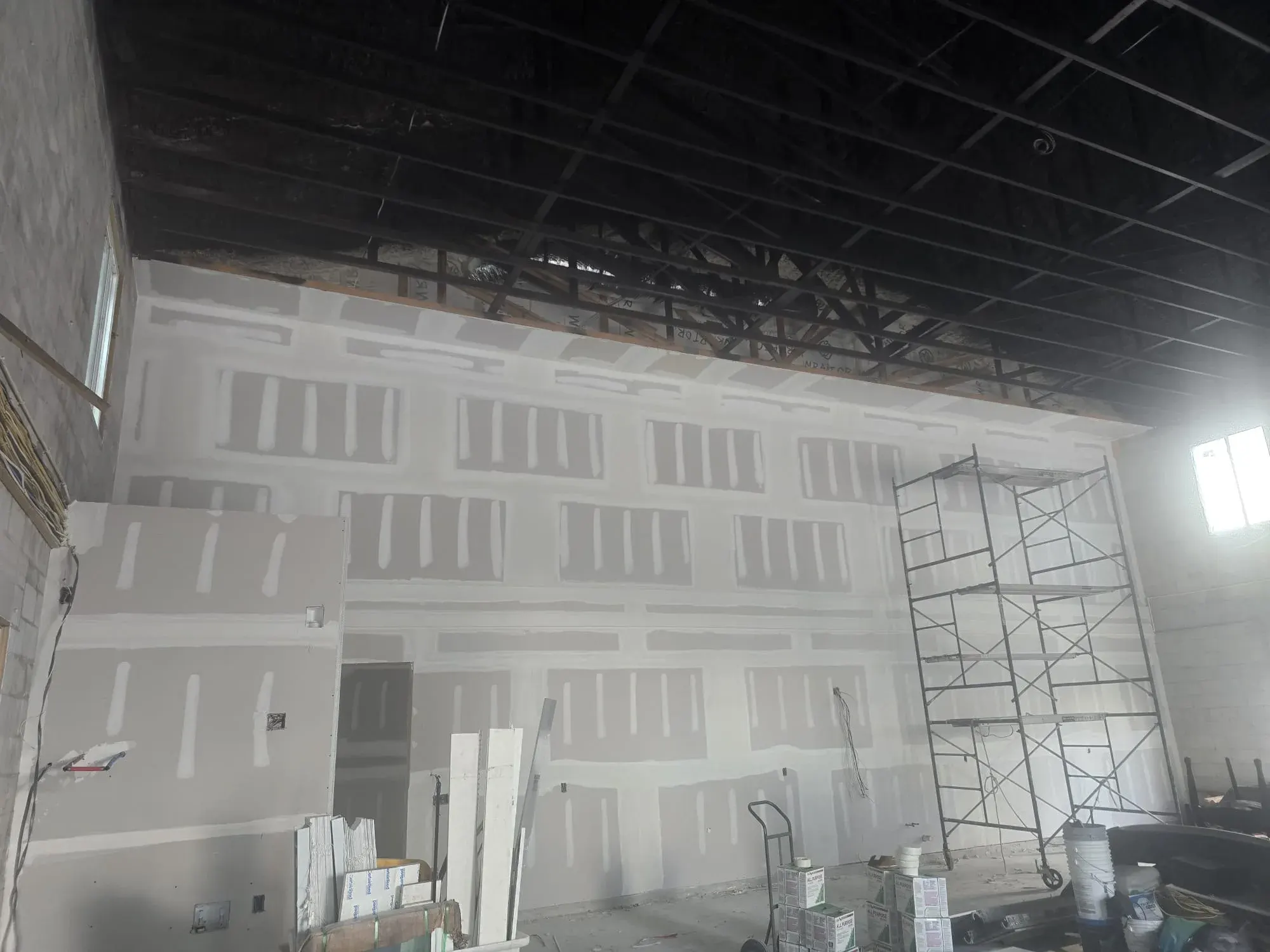
Tall walls and stairwells need scaffolding or extension gear and take longer.
Wall condition
Heavy repair, texture matching and stain blocking add time before paint ever touches the wall.
Texture
Knockdown and orange peel use more paint and need extra roller work than smooth surfaces.
Trim, doors and cabinets
Detail work is slower than open wall and is quoted separately.
Paint quality and color changes
Premium products and dramatic color changes may need extra coats.
Why paint with a drywall crew
Paint highlights every drywall flaw. We care about the wall because we built or repaired it, and because a flawless finish reflects on our work.
You get one team for repairs and paint, which means no arguing over who caused the flashing seam.
- Drywall specialists who prep the surface properly.
- One crew for repair, texture and paint.
- Humidity-aware scheduling for Florida conditions.
- English and Spanish color and scope conversations.
Painting homes across Lehigh Acres and Fort Myers
We paint interiors in Lehigh Acres, Fort Myers and nearby neighborhoods. Textured walls, high ceilings and open plans are common here, and each affects how we plan the job.
Questions people ask us
Does new drywall need primer before paint?
Yes. Bare paper and fresh joint compound soak up paint at different rates, so without primer the seams show as dull stripes through the topcoat. A coat of drywall primer evens it out, and the topcoat then covers in fewer passes.
What sheen should I use in each room?
Flat or matte on ceilings hides imperfections. Eggshell or satin on living-area walls resists scuffs while staying soft-looking. Semi-gloss on trim, doors and bathrooms is easy to wipe and stands up to humidity. Glossier sheens show every wall flaw, which is why they call for a smoother drywall finish underneath.
Is knockdown or textured wall harder to paint?
It takes more paint and a thicker-nap roller to reach the valleys, and cutting in around the edges takes patience. The result is forgiving because texture hides small flaws, but the extra material and time should be in the quote.
How long should paint dry between coats in Florida humidity?
Longer than the can says on a dry day. Humid air slows drying, so recoating too soon traps moisture and causes streaks or tackiness. We plan coat times around the weather and the air conditioning rather than the clock.
Can you paint over water stains or mildew?
Not directly. Mildew is cleaned and treated, and stains need a stain-blocking primer; regular paint lets them bleed back through. If the stain came from a leak, the leak and any damaged board come first, as explained on our water-damaged drywall page.
Do I need to move my furniture before the painters arrive?
Small items, wall hangings and valuables should be cleared. Larger furniture is typically moved to the center of the room and covered, and floors are protected. Let us know before the start date if rooms are tight and we will plan the job room by room.
Which rooms are you thinking of painting?
Tell us how many rooms, the ceiling heights and whether walls are smooth or textured. We will talk through prep and scope.
- Se habla español: llámenos al (239) 410-4536